December 16, 2025
Sleep space setup: bassinets and cribs without overbuying
A gentle reminder: The content in this article is for informational purposes only and is not intended to be a substitute for professional medical advice, diagnosis, or treatment. Always seek the advice of your pediatrician or another qualified health provider with any questions you may have regarding a medical condition. If you are facing a problem that feels sharp, persistent, or overwhelming, reaching out for professional help is a sign of strength.
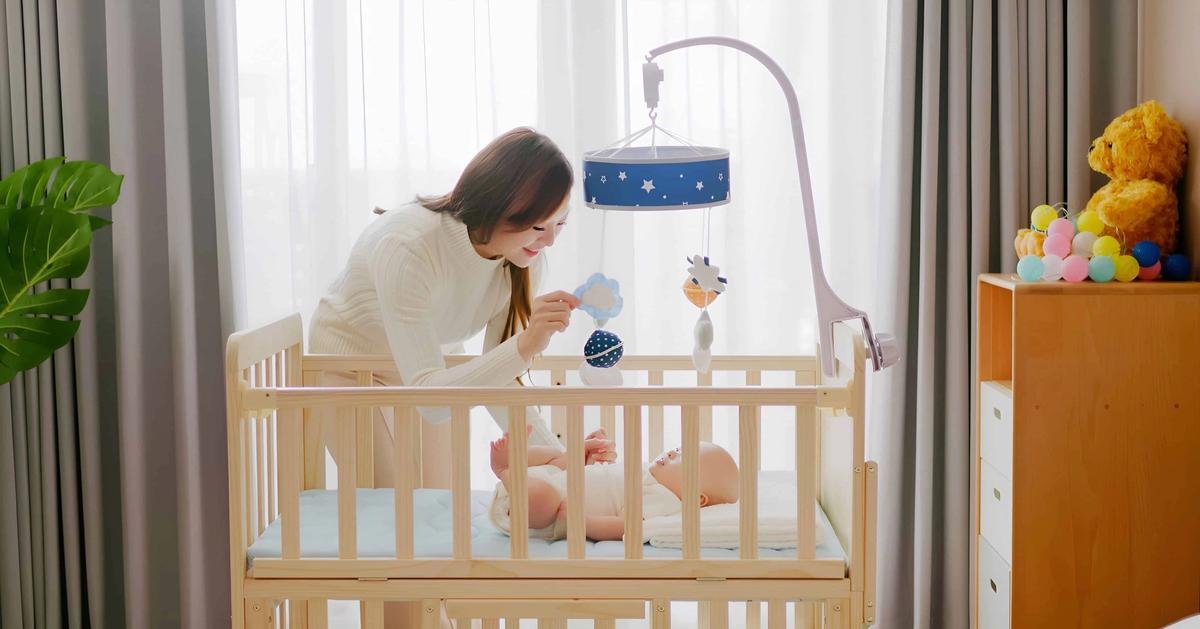
Setting up a safe and comfortable sleep space for your baby is a top priority, and it doesn't have to be complicated or expensive. The goal is to create a simple, safe environment that follows established guidelines, not to buy every sleep product on the market.
It's easy to get caught up in the world of baby gear and feel pressured to buy multiple sleep devices for different rooms and situations. The common pitfall is overbuying items that your baby will only use for a few short months, which can add to both financial stress and household clutter.
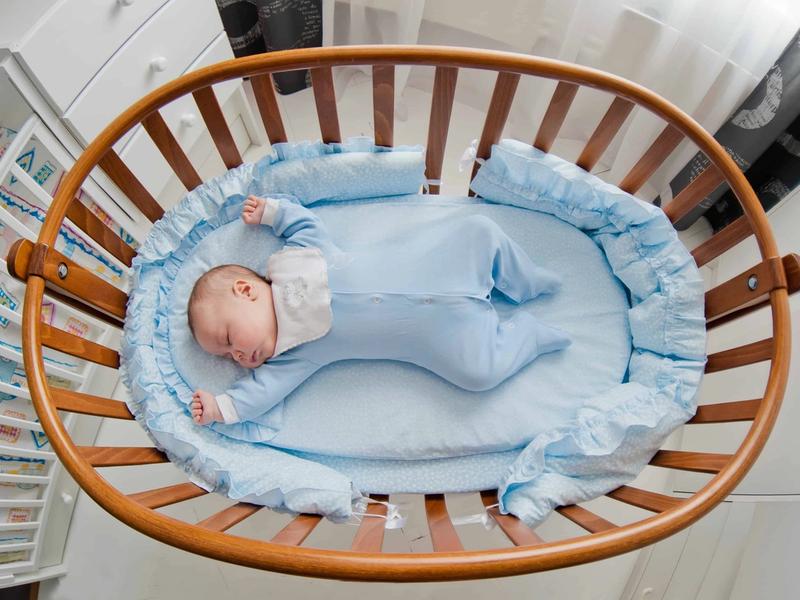
The single most important rule for any sleep space is safety. The American Academy of Pediatrics recommends the ABCs of safe sleep: baby should be Alone, on their Back, and in a Crib, bassinet, or pack-and-play. This means the sleep surface should be firm, covered with only a fitted sheet, and completely empty: no blankets, pillows, bumpers, or soft toys. Whatever product you choose, ensure it meets current safety standards.
The only truly essential item is a safe, dedicated sleep surface for your baby. While many parents use a bassinet in their room for convenience in the newborn phase, a practical and budget-friendly approach is to use a certified safe pack-and-play instead. A pack-and-play can serve as a room-side sleeper for the first few months and can be used for travel for years to come.
When you are ready, the most economical long-term choice is a standard convertible crib in the nursery. These cribs are designed to transform into toddler beds, saving you from having to purchase new furniture in just a couple of years. The key is to think about the long-term use of an item before you purchase it.
Remember, the safest sleep environment is always the simplest one. By focusing on safety standards and long-term practicality, you can create a comfortable space for your baby without the stress and expense of overbuying.
Reference:
Stanford Medicine Children's Health. (2026). Newborn Babies: Getting Ready at Home. https://www.stanfordchildrens.org/en/topic/default?id=newborn-babies-getting-ready-at-home-90-P02703
Cramer, J. (2022). The ABCs of Safe Sleep. Johns Hopkins Medicine. https://www.hopkinsmedicine.org/news/articles/2022/10/the-abcs-of-safe-sleep
Related Articles
January 7, 2026
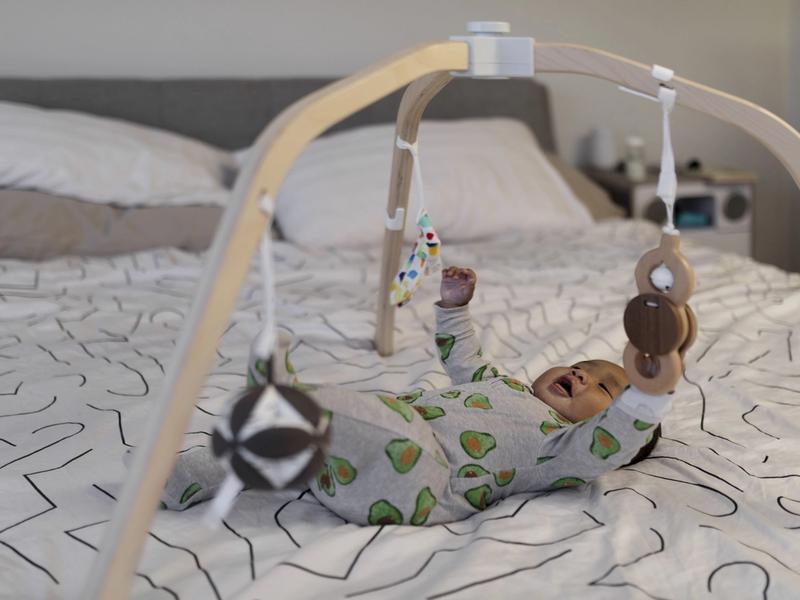
Expanding horizons: understanding your baby’s changing space needs
Adapt your home environment to support your growing child by recognizing the developmental shift from a need for close proximity to a desire for spatial independence. Learn to time the transition from room-sharing to a separate nursery to optimize sleep hygiene, and discover how to configure safe, expanded zones that encourage motor skill development without compromising safety.
January 2, 2026
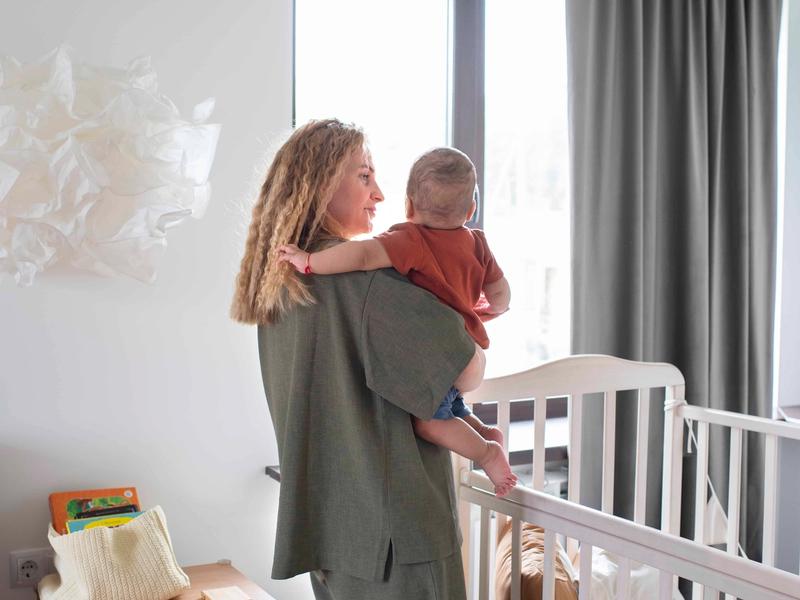
Transitioning from bassinet to crib: timing, safety, and strategy
Identify the critical physical and developmental milestones that signal it is time to upgrade your baby’s sleep environment to ensure their continued safety. Discover practical strategies to smooth this transition to minimize disruption and maintain a secure routine for your family.
December 22, 2025
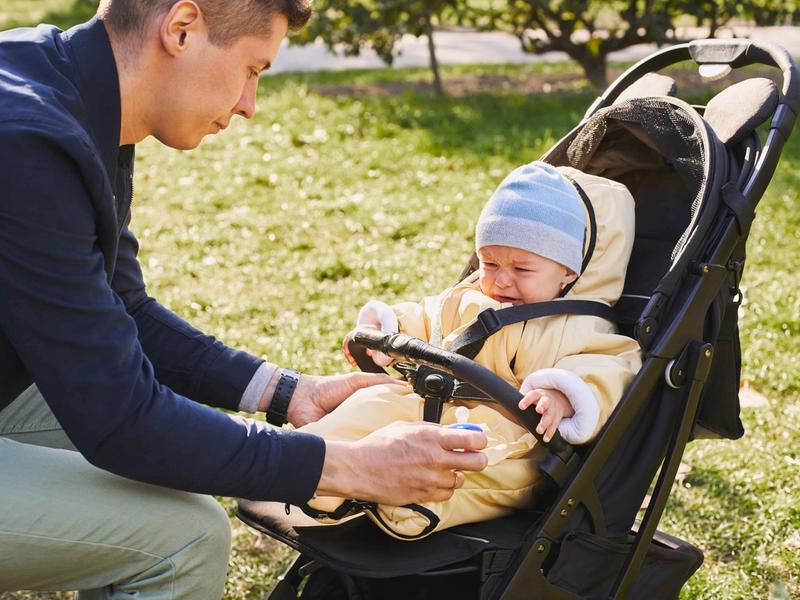
Heading Out: Determining Readiness for Your Baby’s First Walks
This guide is about determining the readiness and safety conditions for your baby’s first outdoor walks. Learn how to navigate weather challenges and crowd risks, and discover practical tips for dressing your baby and choosing the right gear for a successful outing.
December 19, 2025
Creating a safe space: where and how to place your baby for sleep and rest
It is actually possible to establish a safe and practical sleep environment that balances safety standards with real-life logistics. Learn why room-sharing is recommended as the primary sleep space, and discover how to define and create safe sleep "stations" in any room of your house.