
January 2, 2026
Understanding baby massage: benefits, boundaries, and safety
A gentle reminder: The content in this article is for informational purposes only. Do not attempt to massage a baby who has underlying medical conditions, hip dysplasia, or recent vaccinations without explicit clearance from your pediatrician. Always attend a certified class or consult a pediatric specialist to learn the correct, safe techniques.
Baby massage is often presented in popular media as a standard part of a relaxing infant routine. While it can be a beautiful tool for bonding and sensory development, it is a practice that requires a high degree of caution. Massage for a baby is fundamentally different from a massage for an adult because an infant’s anatomy, including their joints, spine, and internal organs, which is incredibly delicate and still developing.
The primary question many parents ask is whether a baby actually needs a massage. From a strictly medical standpoint, a healthy infant does not require a massage for survival or basic development. However, gentle, therapeutic touch has been shown to improve sleep patterns, aid digestion (specifically in relieving gas), and strengthen the emotional bond between the caregiver and the child. For premature infants in neonatal intensive care units (NICU), specialized massage protocols are often used to encourage weight gain and neurological development, but these are performed exclusively by trained medical staff.
If you are interested in incorporating massage into your baby's routine, it is vital to understand the risks. An infant's bones are not yet fully ossified, and their joints are extremely pliable. Applying too much pressure, moving limbs in ways they aren't ready to go, or placing pressure on the wrong part of the abdomen can lead to occasional trauma, joint displacement, or internal discomfort. This is why we strongly encourage you to turn to a healthcare professional, such as a pediatric physical therapist, or a specially trained nurse, before attempting any techniques on your own.
A professional can teach you the "signs of readiness" and "signs of overstimulation". A baby should never be massaged if they are crying, resisting, or have just eaten. A professional will also show you how to use "feather-light" touch. For an infant, a "massage" is often more of a gentle, rhythmic stroking rather than the deep tissue manipulation adults are used to. They will guide you on which areas to avoid, such as the fontanelles (soft spots on the head), the spine, and the delicate area around the neck and throat.
When done correctly under professional guidance, the focus of the massage should be on responsive interaction. It is a dialogue of touch where you are constantly watching your baby’s cues. If the baby turns away, becomes stiff, or starts to fuss, the session must stop immediately. Using the wrong oils can also be a risk: a professional can recommend safe, edible-grade, non-scented oils (like cold-pressed grapeseed or coconut oil) that won't irritate a baby's sensitive skin or cause an allergic reaction if they put their hands in their mouth.
Ultimately, while the idea of massaging your baby is appealing, the safety of their fragile body is the absolute priority. By seeking professional instruction first, you ensure that this bonding activity remains a safe, healing, and positive experience rather than a risk to your baby's physical health.
Reference:
Mrljak R, et al (2022). Effects of Infant Massage: A Systematic Review. Int J Environ Res Public Health. https://pmc.ncbi.nlm.nih.gov/articles/PMC9179989/
Field, T. (2018). Infant Massage Therapy Research Review. Clinical Research in Pediatrics. https://lifestagemassage.com/wp-content/uploads/2022/12/Infant-Massage-Research-Review.pdf
Related Articles
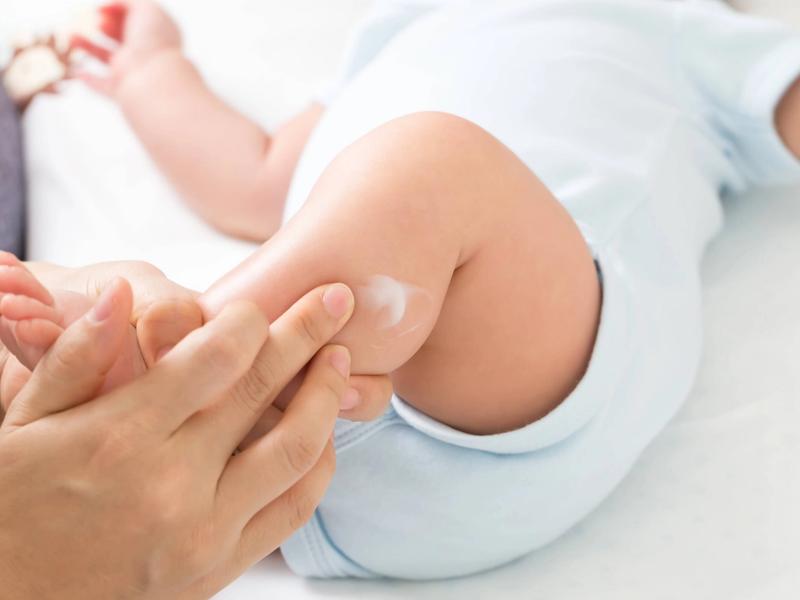
January 9, 2026
Beyond the dust cloud: understanding the risks and modern alternatives to baby powder
Eliminate the respiratory risks and potential for fungal growth associated with traditional baby powders by transitioning to modern barrier creams and "air time" to protect your baby's delicate skin.
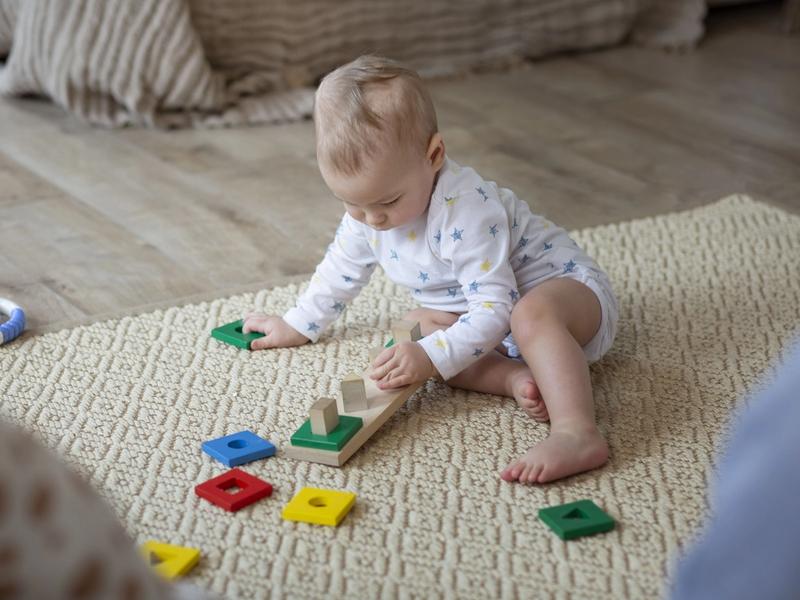
January 6, 2026
Understanding developmental variations: a guide to observing signs and partnering with your pediatrician
Adopt the role of an informed observer rather than a self-taught diagnostician to effectively distinguish between normal growth variations and conditions requiring intervention. Avoid the reliability pitfalls of internet searches by documenting specific, objective behaviors for your pediatrician, ensuring your child receives accurate assessments and timely early intervention if needed.
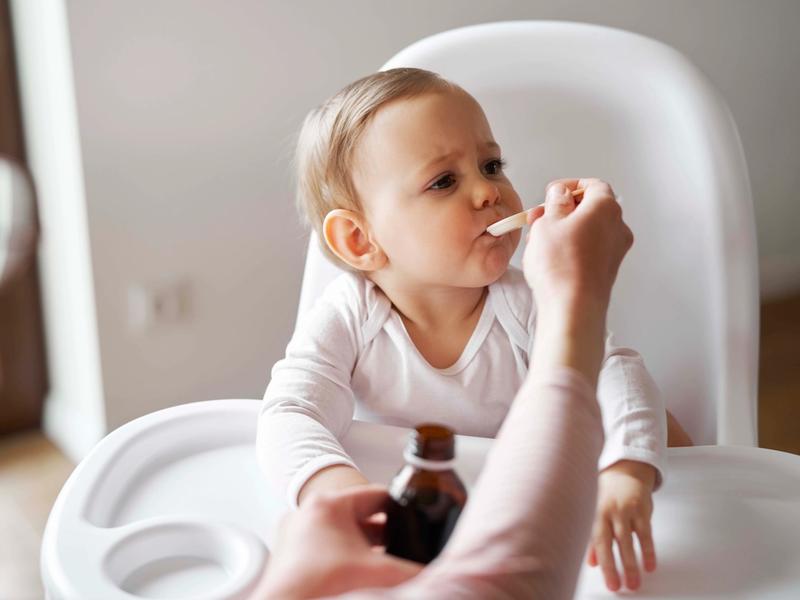
January 5, 2026
Vitamin D for Infants: Understanding the Necessity and Safe Administration
Discover the role of Vitamin D for infants in ensuring robust skeletal development and immune health. Prevent the serious risks of toxicity and dosing errors by relying on a pediatrician to tailor specific recommendations to your baby's feeding habits rather than self-diagnosing.

December 31, 2025
Sun safety for babies: protecting delicate skin in every environment
Safeguard your infant's delicate skin by learning the principles of UV protection across diverse environments, including indoor spaces. Prioritize physical barriers like shade and clothing, and discover how to navigate the nuances of sunscreen use and hidden environmental risks to ensure year-round safety.